Vibe Check Quizzes
Aesthetics, energies and the small preferences that somehow say more than a questionnaire ever could.


Colour has never been divided the same way twice
Languages disagree about where one colour stops and the next begins. Russian and Greek treat lighter and darker blue as separate basic terms rather than shades of a single one. The Japanese word ao historically covered a stretch taking in both blue and green, which is why a traffic signal there can still be described with a word an English speaker would call blue. Welsh glas has shifted its borders over the centuries. Berlin and Kay's survey work in the late 1960s proposed that basic colour terms appear in a fairly consistent order as vocabularies grow, and linguists have argued about how tidy that pattern is ever since.
Worth keeping in mind when a quiz invites you to pick a colour on instinct. The categories you are choosing between were inherited rather than found, and somebody drew those lines long before you turned up.
What the mood research supports, and what it does not
There is genuine work on colour and feeling, and it is more modest than the infographics suggest. Studies do turn up associations, red rated as more arousing, blue as calmer, but the effects are small, they depend at least as much on saturation and brightness as on hue, and they shift with context and culture. A colour on a wall, on a jumper and on a warning sign is not doing the same job in each place.
What survives all that is a plainer finding: people are reasonably consistent with themselves. Your preferences are stable enough to be worth noticing and particular enough that no chart is going to predict them, which is roughly the space these quizzes occupy.
Names arrive after the pile of images
The other thread here is how aesthetic labels come into being. Almost none of them arrive from anywhere official. Somebody posts a set of images, somebody else gives the mood a name, a tag catches, and within a few months there are outfit guides, playlists and a small argument about who was doing it first. The naming follows the pile of images rather than leading it, which is how subcultures have always worked, only faster now.
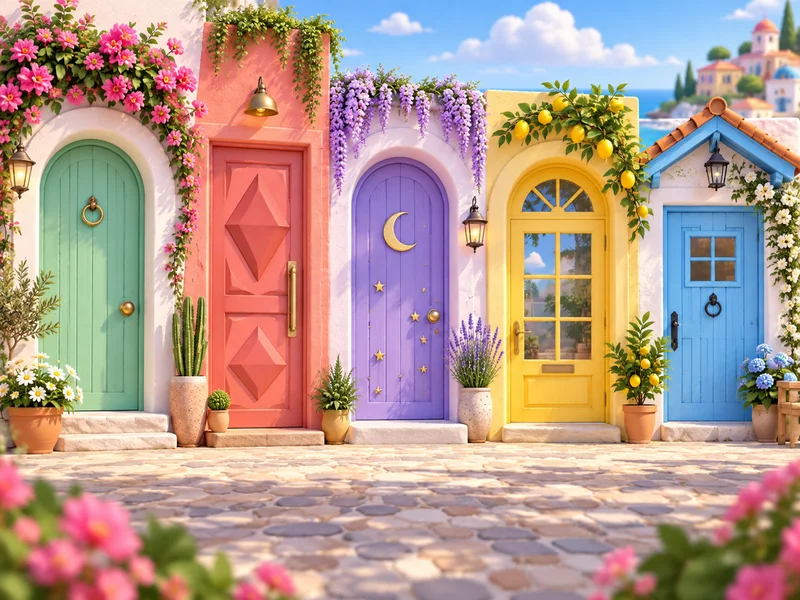
Which is the honest frame for the whole lane: preference is not diagnosis. A door you would open, a room you would sit in, the shape your listening week has taken: pleasant ways of describing a mood you were already in. If a result lands, it is because you recognised yourself in it, which is more interesting than being measured.